




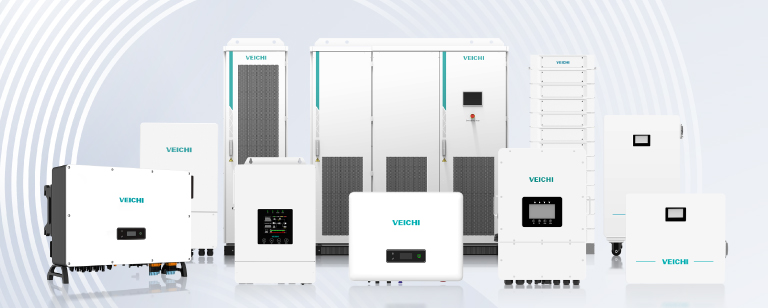
BESS
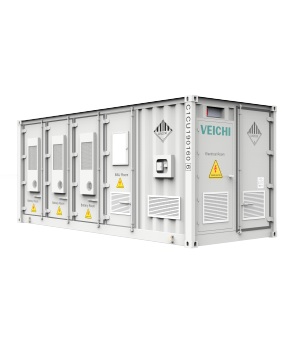
VEICHI BESS integrates LiFePO4 battery banks with VEICHI hybrid or off-grid inverters, delivering a fully coordinated energy storage solution rather than a collection of components from different suppliers. From voltage compatibility and communication protocols to system monitoring and performance, every component is designed to work together under one supplier. Solutions range from 5.12 kWh residential battery systems to containerized energy storage plants with capacities of up to 1.2 MWh.
More About BESS
What a VEICHI BESS Includes
A battery energy storage system is more than the battery. A VEICHI BESS is delivered as four matched parts: the LiFePO4 battery bank, the hybrid inverter or power conversion system that charges and discharges it, the battery management system that protects every cell, and the monitoring layer that reports what the system is doing. Because VEICHI builds all four, they arrive specified as one system instead of as separate purchases that have to be reconciled on site.
The practical difference shows up when something needs servicing. With a matched system there is one datasheet, one communication protocol and one party responsible for the result.
How the System Is Connected
Power and data flow in one direction each, and keeping them straight is most of the installation work:
- PV array feeds DC power into the hybrid inverter, which tracks the maximum power point and decides whether that energy runs the loads, charges the battery or exports to the grid.
- Battery bank connects to the inverter's DC bus. The inverter charges it from surplus PV or from the grid at cheap tariff hours, and draws from it when generation falls short.
- Loads and grid sit on the AC side. Critical loads can be wired to a dedicated backup output so they stay live through an outage.
- Communication runs separately over CANBUS or Modbus between battery, inverter and energy manager, carrying state of charge, cell voltages, temperatures and alarms.
The one rule that governs everything else: the battery's voltage window must sit inside the inverter's permitted DC input range. A 51.2 V bank cannot be connected to a high-voltage string inverter, and no amount of extra capacity fixes the mismatch. Check the inverter datasheet first, then choose the battery.
Monitoring and Energy Management
VEICHI battery banks communicate over CANBUS, Modbus RTU and TCP/IP, so they can be read by a VEICHI energy manager or integrated into a third-party SCADA or EMS platform. That matters less on day one than in year three: remote access is what turns a gradual capacity fade into a scheduled service visit rather than an unexpected outage.
Through the monitoring layer you can schedule when the battery charges and discharges, follow peak-shaving or self-consumption strategies, review state-of-health trends pack by pack, and receive alarms before a threshold becomes a fault.
From Specification to Commissioning
- Load and site survey – we take your load profile, tariff structure, available roof or ground area and any backup requirement.
- System matching – battery voltage and capacity are matched to the inverter model, and the configuration is confirmed against the inverter's DC window and protocol list.
- Layout and enclosure – indoor IP20 cabinet or outdoor IP65 enclosure, cable runs, protection and ventilation are specified for the actual site.
- Delivery and installation support – batteries, inverters and balance-of-system ship as one order, with wiring diagrams and commissioning guidance.
- Commissioning and handover – the system is brought online, monitoring is connected, and operating parameters are set for the tariff and load pattern of the site.
Frequently Asked Questions
Can I add a VEICHI battery to an inverter I already own?
Often yes, provided the inverter accepts the battery's voltage window and speaks the same protocol. Send us the inverter model and we will confirm the combination before you order.
Can the system be expanded later?
Yes. LV banks grow by adding packs in parallel and HV banks by adding clusters, without replacing what is already installed. Size the cabling for the final capacity from the start.
What does monitoring require on site?
A network connection for the monitoring gateway. Battery-to-inverter communication runs locally over CANBUS or Modbus and does not depend on the internet.
Who installs it?
A qualified electrical contractor carries out the installation; VEICHI supplies wiring diagrams, parameter settings and commissioning support, and can be involved through the local distributor.

 Leave a Message