



Solar Energy Storage Battery Selection Guide
With the rapid growth of photovoltaic (PV) installations, standalone solar power alone cannot meet all electricity needs. PV-plus-storage systems, combining solar generation with battery storage, are becoming the preferred solution for stable power supply and improved energy efficiency.
Why Invest in PV + Storage?
Stable power supply
Energy storage acts as a high-capacity “energy bank,” storing excess solar power during the day and releasing it at night, on cloudy days, or during peak demand. This ensures uninterrupted electricity and overcomes the limits of weather-dependent generation.
More economical electricity use
Intelligent scheduling maximizes self-consumption and reduces reliance on expensive grid power. In regions with peak-valley pricing, charging during low-cost periods and discharging at peak times directly saves electricity costs.
Off-Grid PV Storage Systems
Off-grid systems operate independently of the grid, ideal for areas with no or unstable electricity, such as remote locations, islands, communication towers, and emergency streetlights.
System components
PV module array (generation) + inverter (current conversion) + storage battery (energy storage) + electrical load (consumption).
How it works
During sunlight: PV powers the load and charges the battery.
Without sunlight: Battery powers AC loads via the inverter.
Off-grid PV storage is essential for regions with insufficient or unreliable electricity.
Hybrid PV Storage Systems
Hybrid systems combine grid-connected and off-grid features, suitable for complex energy needs. They are ideal for households wanting self-consumption and surplus feed-in, or commercial/industrial users seeking cost reduction and backup power.
System components
PV module array + hybrid inverter (core controller) + storage battery + electrical load.
Core benefits
-
Smart cost management: Charge during low-cost periods and discharge during peak hours to save or even earn from price differences.
-
Uninterrupted power supply: Automatically switches to off-grid mode during outages, keeping critical loads (e.g., refrigerators, medical devices, servers, surveillance) powered.
-
Smart load handling: Supplements grid power when consumption exceeds inverter capacity, supporting high-demand appliances (e.g., oven and AC running simultaneously) without disruption.
How to Choose the Right PV Storage System
PV + storage is a long-term investment. While storage increases upfront costs, it delivers reliable power and long-term savings. Selection should focus on four dimensions: capacity, safety, economy, and compatibility.
Step 1: Define Core Needs
· Backup power: Prioritize emergency supply duration; no need to oversize—cover only critical loads.
· Cost savings: Ensure storage matches PV generation to store excess daytime power for nighttime use.
· Mixed needs: Balance backup capacity and economic benefits for combined emergency and cost-saving purposes.
Step 2: Select Key Equipment (“Energy Core”)
· Battery type: For households and small-to-medium commercial users, lithium iron phosphate batteries are preferred for superior safety and long cycle life.
· Parameters: Verify usable capacity; avoid exaggerated claims.
· Cycle life: Prioritize ≥6,000 cycles for longevity and cost-effectiveness.
· BMS system: Essential; it protects battery with real-time monitoring of charge, discharge, and temperature.
· System compatibility: Ensure battery and inverter communicate for seamless operation.
Step 3: Brand and Service
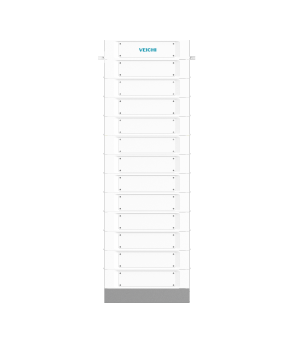
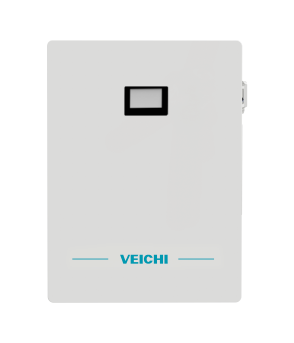
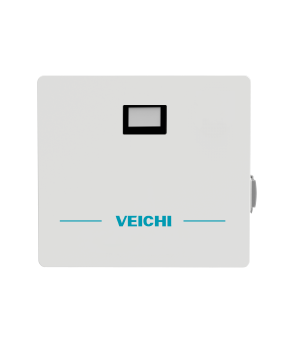
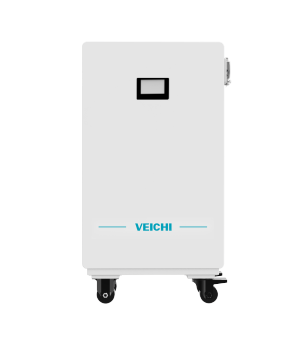
PV + storage is a long-term investment. Choose reputable brands with proven technology, high-quality cells, and reliable BMS, such as Urayzero storage batteries, tested for safety, cycle life, and compatibility, suitable for homes and small-to-medium commercial
Warranty & maintenance: Consider battery degradation and warranty period.
PV + storage not only solves electricity challenges but also supports energy autonomy and efficiency. From providing reliable supply in power-deficient areas to maximizing household energy savings, success depends on choosing a safe, reliable, and efficient system like Urayzero batteries, laying a solid foundation for green energy and maximizing the value of every kilowatt-hour.

Lickey
Lickey is a solar system product manager at VEICHI with a decade of hands-on experience and deep insight into residential, commercial and utility-scale solar-plus-storage projects.

 Leave a Message