




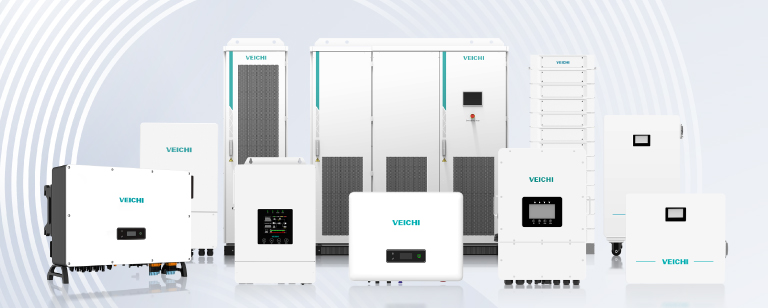
On-grid Inverter
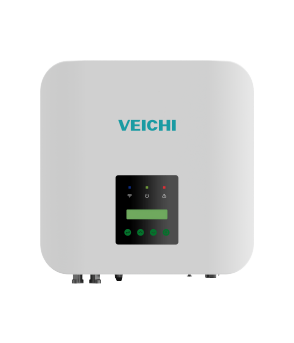
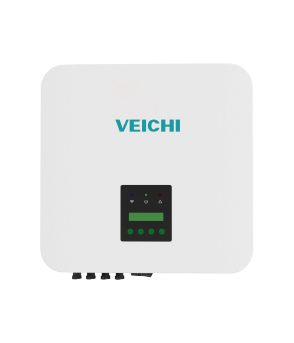
VEICHI on-grid inverters convert DC power from solar arrays into grid-compliant AC for residential rooftops, commercial and industrial plants, and utility-scale projects. The range spans 3 kW single-phase to 150 kW three-phase, with up to 98.8% peak efficiency, 2–12 MPPT channels, IP66 protection and an adjustable AC output of 180–520 V for grids worldwide.
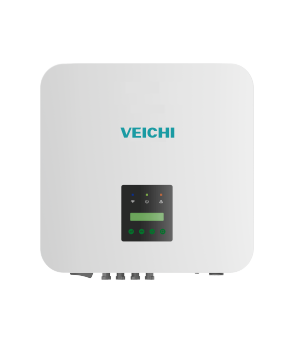
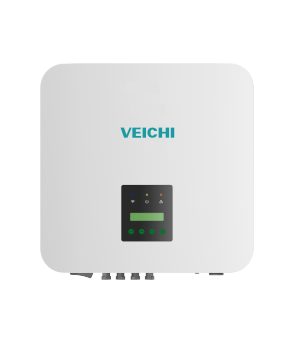
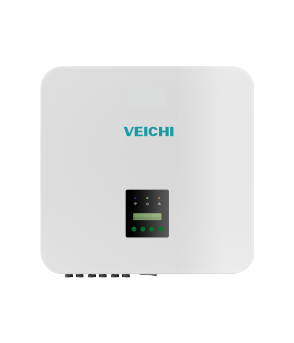
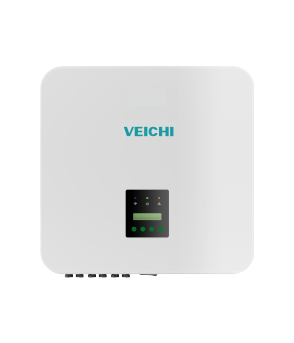
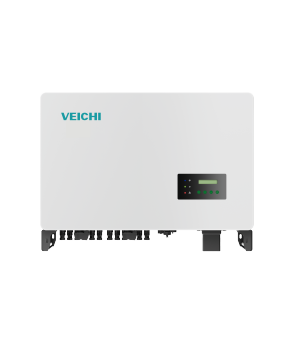
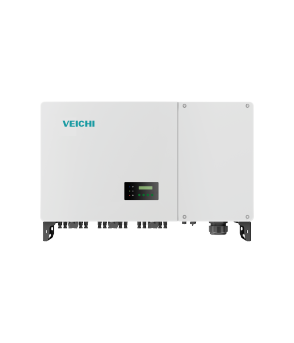
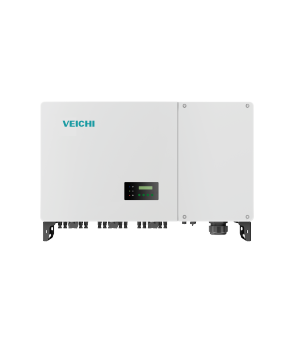
More About On-grid Inverter
What Is an On-Grid Inverter?
An on-grid inverter — also called a grid-tie inverter — converts the direct current produced by a PV array into alternating current that matches the voltage, frequency and phase of the local utility grid. It has no battery and no island capability: it synchronises with the grid, feeds power into it, and shuts down automatically when the grid disappears.
Three differences separate it from other inverter types, and they explain most specification decisions later on:
- No battery. Energy is either consumed on site or exported. There is no stored reserve, so an on-grid system cannot ride through a blackout.
- Grid-following, not grid-forming. The inverter locks onto the grid's frequency and phase, then injects current in step with it. It follows the grid rather than creating one.
- Anti-islanding is mandatory. When the grid goes down, the inverter must stop within milliseconds so it cannot energise a line that technicians believe is dead.
How to Choose the Right Single Phase Hybrid Inverter?
Choosing the right single phase hybrid inverter depends on your power needs, battery capacity, and backup requirements.
- Inverter Power: Select a rated power that meets your total load demand, including the starting current of high-power appliances.
- Battery Compatibility: Check the battery voltage, capacity, and compatibility with the inverter.
- Solar Input Capacity: Ensure the inverter supports your planned PV array capacity and input voltage range.
- Backup Requirements: Consider whether you need backup power during grid outages and which loads must remain operational.
- System Expansion: Choose an inverter that allows future expansion if your energy needs increase.
VEICHI single phase hybrid inverters offer flexible solar and battery integration for residential energy systems.
What's the Difference Between On-Grid Inverters and Hybrid Inverters?
On-grid and hybrid inverters both convert solar power into usable AC electricity, but they differ in battery support and energy management.
On-Grid Inverter
An on-grid inverter converts solar power for use in grid-connected homes and businesses. Excess electricity can be exported to the grid where permitted. It typically does not support battery storage or provide backup power during grid outages. Best for reducing electricity bills with a grid-connected solar system.
Hybrid Inverter
A hybrid inverter manages power from solar panels, batteries, the grid, and sometimes a generator. It stores excess solar energy for later use and can provide backup power when supported by the system configuration. Best for solar systems requiring battery storage, backup power, and greater energy independence.

 Leave a Message