




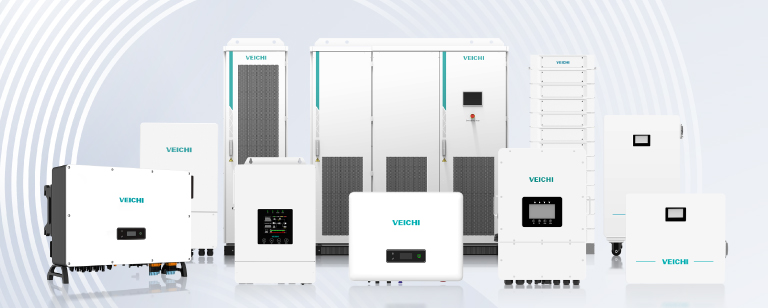
LV Lithium Battery
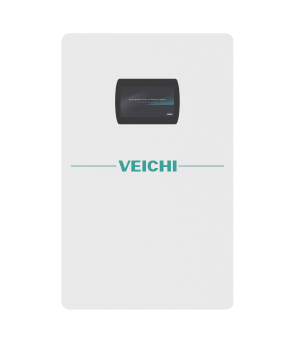
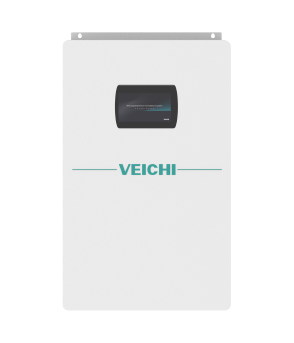
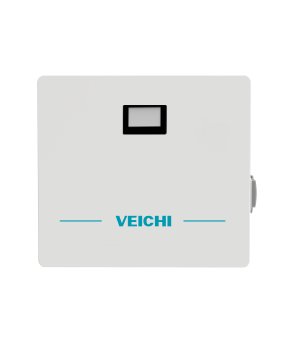
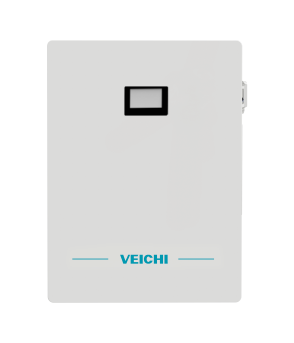
VEICHI develops and manufactures its entire low-voltage (LV) lithium portfolio in-house, pairing automotive-grade LiFePO4 cells with a self-developed battery management system on a modular 51.2 V platform. The current line-up covers the wall- or floor-mounted VCLB-5K-W02 (5.12 kWh / 100 Ah), the high-capacity VCLB-16K-W02 (16.07 kWh / 314 Ah), the IP65-rated VCLB-5K/16K-W02 for outdoor and semi-outdoor installations, the slim IP20 VCLB-5K/16K-E01 for indoor residential walls, the 100 A VCLB-5K-W01 for everyday home loads, and the 200 A VCLB-10K-W01 for larger homes and light commercial sites. Every pack runs at 95% depth of discharge, delivers 6,000+ charge/discharge cycles, accepts rapid charging and discharging, and scales to 15 units in parallel — from 5.12 kWh up to roughly 241 kWh in a single bank. Built-in aerosol fire suppression, IP65 ingress protection and a multi-layer BMS make the range equally safe in a garage, a plant room or an outdoor cabinet.
More About LV Lithium Battery
What Is a Low Voltage Lithium Battery?
A low voltage (LV) lithium battery is a battery pack whose nominal system voltage sits in the 40–60 V range — most commonly 48 V or 51.2 V in solar and backup applications. In practice this means the pack is built from 15 or 16 LiFePO4 cells in series (16S for a 51.2 V nominal pack) rather than the 100+ cell strings used in high-voltage systems.
LV batteries are the standard choice for:
- Residential solar self-consumption (3–12 kW hybrid or off-grid inverters)
- Backup power for homes, clinics, shops and small offices
- Telecom shelters, security systems and remote monitoring sites
- Retrofit projects that replace an existing 48 V lead-acid bank
What's the Difference Between LV Lithium Battery and HV Lithium Battery?
LV and HV lithium batteries differ in voltage, current, installation, and applications. Understanding these differences helps you choose the right battery for your solar energy storage system.
1. Operating Voltage
LV lithium batteries typically operate at 12V, 24V, or 48V-class voltages, while HV lithium batteries operate at several hundred volts, depending on the system.
2. Current and Efficiency
HV batteries require less current than LV batteries at the same power output, potentially reducing cable losses and wiring requirements.
3. System Expansion
LV batteries commonly expand through parallel connections, while HV systems typically use series-connected battery modules to achieve the required voltage.
4. Installation and Safety
LV systems are often simpler to install in residential and off-grid applications. HV systems require specialized high-voltage protection and compatible inverters.
5. Applications
LV lithium batteries are ideal for residential solar storage, off-grid systems, and backup power. HV lithium batteries are often suitable for higher-power applications and larger energy storage systems.
The best choice depends on your inverter compatibility, power requirements, storage capacity, and installation needs.
How to Choose the Right LV Lithium Battery?
Choosing the right LV lithium battery for your solar energy storage system depends on voltage compatibility, battery capacity, power requirements, and installation conditions.
1. Check Battery Voltage Compatibility
Choose an LV lithium battery that matches your inverter's battery voltage requirements. Common options include 48V-class batteries with a nominal voltage of 51.2V.
2. Calculate Battery Capacity
Battery capacity, measured in kWh, determines how much energy can be stored. Consider your daily electricity consumption, backup time, and expected energy demand to select the appropriate capacity.
3. Evaluate Charging and Discharging Power
Check the battery's maximum charging current, continuous discharge current, and peak power capability to ensure it can support your connected loads.
4. Consider Battery Chemistry and Lifespan
LiFePO4 batteries are widely used for solar energy storage because of their thermal stability and long cycle life. Compare cycle life, usable capacity, warranty, and operating temperature.
5. Check Compatibility and Expansion Options
Ensure the battery supports your inverter's communication protocols and allows future capacity expansion if needed. Also consider installation space, safety protection, and total system cost.
Selecting the right LV lithium battery helps improve solar energy utilization, ensure reliable backup power, and support long-term energy storage needs.

 Leave a Message